I’m a big believer in working with your strengths. So, it was no surprise when I started working with a DNA performance coach to help me understand myself better after noticing a significant, sustained slump in my energy levels.
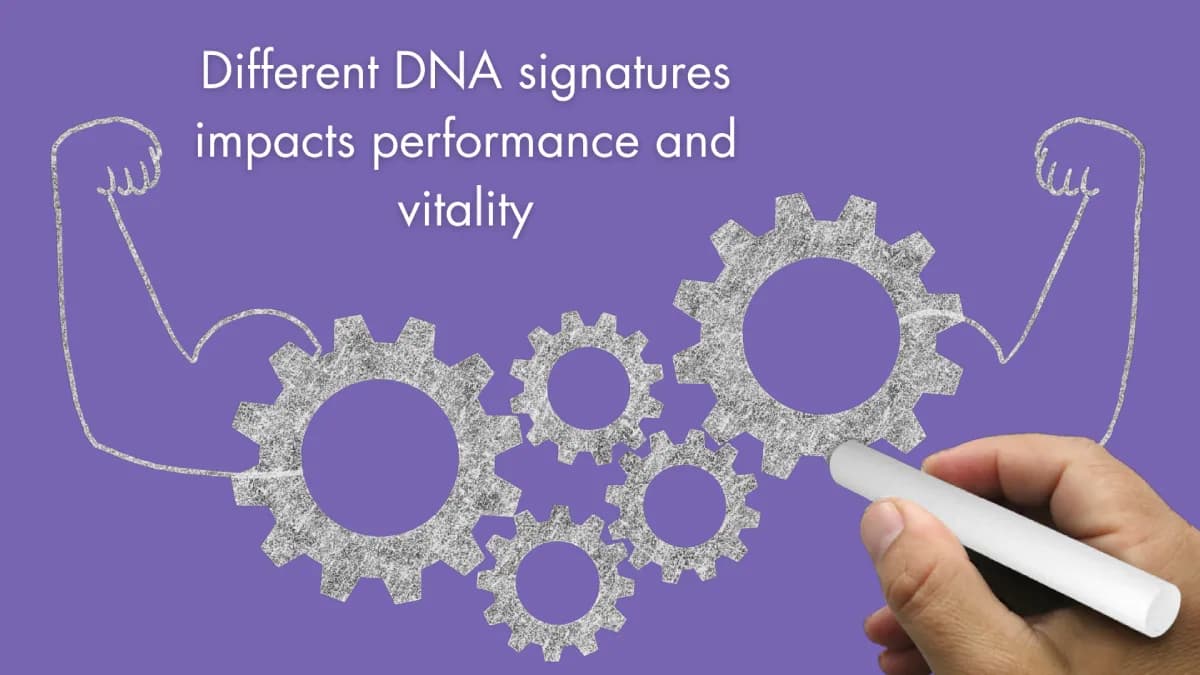
My coach is helping me to understand my different DNA signatures and how they impact my performance and vitality so I can sustain extended periods of high performance without burning out.
The experience is casting another layer of complexity on how I think about using our strengths and the shadows that we cast. It has also affirmed the cumulative power of the moment-by-moment choices we make every day and accepting who we are at our core.
Looking back, I can see how I’ve tapped into my biological strengths to navigate through challenging times. However, I can also see how some of the coping strategies I’ve used to get by may have helped in the moment but have undermined the achievement of longer-term goals.
It’s been a valuable reminder of the different ways in which we need to be true to ourselves and how authenticity is a powerful driver of both performance and well-being.
Authentic leadership has become popular, and there are good reasons why. A meta-analytic review published in the Asia Pacific Journal of Management considered the outcomes of 214 primary studies and found positive links between authentic leadership and employee commitment, work motivation, work satisfaction and increases in positive work performance.

My personal DNA coaching experience has cast a different light on the importance of self-awareness and how we can avoid rough edges that create problems when we’re unaware of who we are and mismanage those traits.
Accepting who we are means embracing our strengths and managing our edges. It’s not an excuse to avoid refining the parts of ourselves that might hinder our effectiveness or cause friction with others. This balance between acceptance and improvement is key to leading authentically and building strong teams.
However, it is crucial to avoid a trap I’ve noticed in some clients committed to their leadership development. They feel pressured to be more like someone else. They don’t realise their strengths or how much their teams value them when expressing themselves authentically. This directly impacts their self-belief and minimises their potential contributions.

It’s like a dolphin trying to fly like a bird, ignoring its unique combination of strengths and abilities. However, a dolphin who focuses on their abilities rather than trying to fly thrives and inspires others. Similarly, when clients stop trying to be someone else and start valuing their own strengths, they become better leaders and happier individuals. Hearing them share positive feedback from their teams when they lean into their authenticity is wonderful.
Australian leadership consultant Mary Gray said it well: “Many people separate the act of leadership from the leader. They see leadership as something they do – rather than an expression of who they are”.
Think about your own experiences. How have your natural tendencies shown up in different situations? When has leaning into who you are at your core led to your success? And where might you refine your approach to smooth out the rough edges?
Embracing who we are while striving for growth helps us lead authentically and effectively. As always, I’m here to support you on this journey.
If you’d like to know more about the DNA performance coaching I encourage you to connect with Alessandra Edwards and read her new book when it’s released later this year.
Not only is she a fabulous human, but she’s also deeply committed to evidence-based practice. Our work together will undoubtedly result in the sharing of more insights in the future.