


Skip to content
+61 412 181 635

Stakeholder Insights

Deep stakeholder engagement that cuts through what people are telling you on the surface and hands back the full picture and the real priorities that standard reviews often miss.

Your partners are polite, and so are your own senior leaders. Asked directly, most will say it is working, because saying otherwise to you costs them something. The same people, talking to someone independent on the understanding that nothing comes back with their name on it, will tell you where it is not.

Inside an organisation it takes a different shape. People have clear views and nowhere to put them where a decision gets made, so what shapes the outcome is whoever spoke most, rather than whoever knew most.

Susanne goes out to the people whose view counts, one organisation or work area at a time. Chairs, chief executives, executives, government officials, members, funders, internal leaders, depending on who shapes your next few years. Those conversations are hers alone, and that is what makes them candid.

What comes back is one picture rather than a pile of transcripts: where partners or members of your team agree, where they diverge, and the tensions that are going to stay with you, each one set out with the value on both sides so the people who commissioned it can decide what to do.

Building the practice

  1. What you are engaging for, and what you want back from it.
  2. Which relationships count most, and how much attention each one should get.
  3. Messaging that survives three different people in three different rooms.
  4. How any of it gets recorded, so a staff change does not take the relationship with it.

Most organisations do stakeholder work by habit. Different parts of the organisation talk to the same funder differently, and trust sits with one or two people. Susanne also builds the practice so it holds without her.

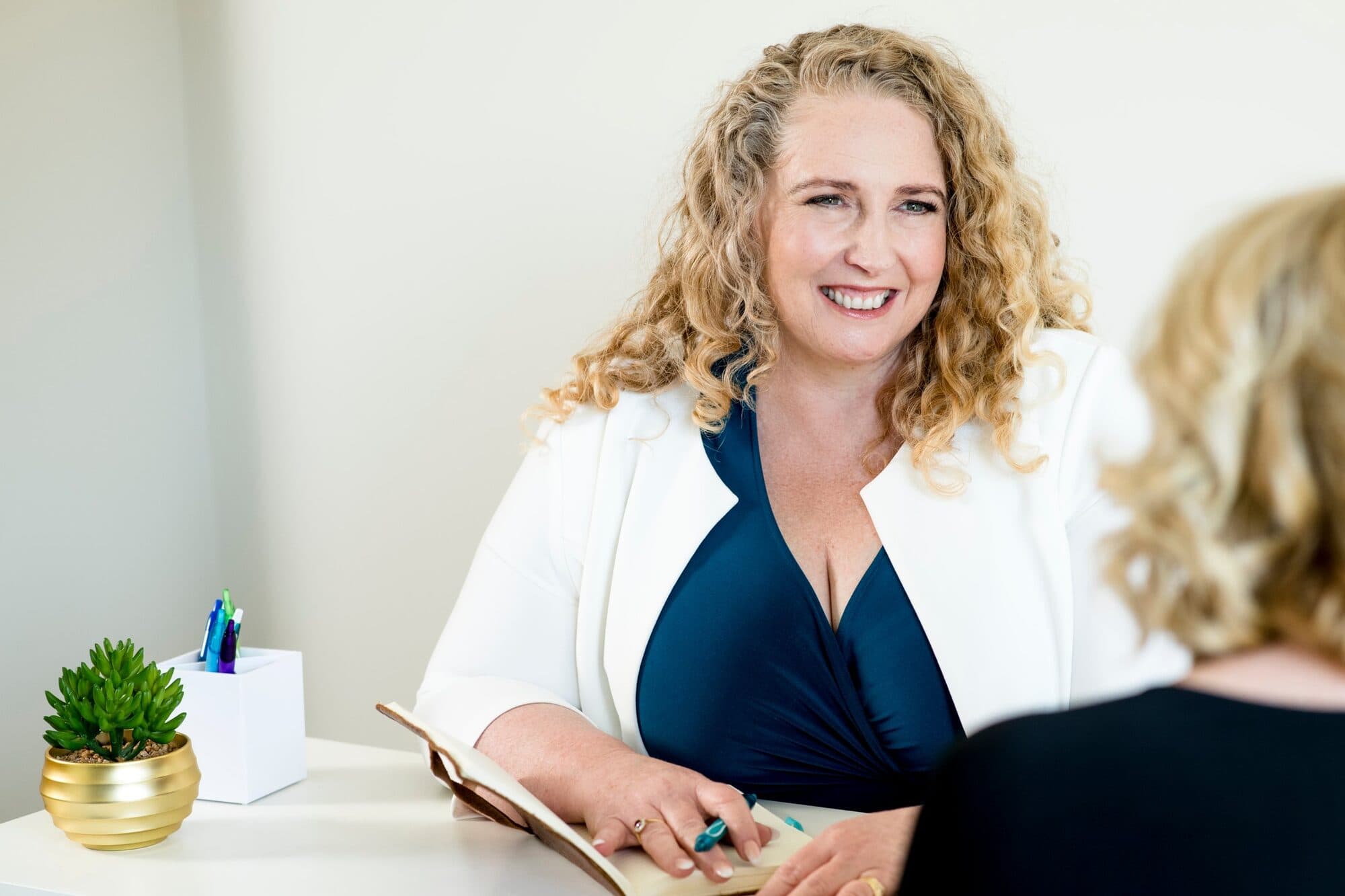
Susanne Le Boutillier in conversation across a table, notebook open, listening

The Advocacy Game Plan

For organisations that have proven a problem and now need someone with the authority to act on it.

It works through seven questions in a fixed order: the change you are seeking, the asks and who can grant them, what is stopping action, who can move it, how each of those people is reached, what the evidence can carry, and what you do when the first approach does not move anything. The order is the point. It stops you picking channels before the change is settled, or messages before the decision-maker is named.

Most of it runs asynchronously, from material you already hold and a written questionnaire each person answers on their own. Three conversations: a short scoping call, one workshop, and a feedback call.

You finish with no more than three asks, each attached to a named decision-maker and the obstacle in their way, an agreed list of what you are not pursuing this year, and a method you can run on the next issue without Susanne in the room.

The practical part

Past engagements have each taken in up to twenty senior people or up to fifty people using small groups, in person, by phone and by video. Most include a deed of confidentiality, because the undertaking given to partners and staff has to be real.

It starts with scope: who is in, what you are trying to find out, and what you will do with the answer.

Client results

OPAN

“Susanne scans the external environment and synthesises it down to what it means for you. And she tells you, gently, the hard truth about what's going on. I haven't seen that done so well before.”

Craig Gear OAMChief Executive Officer, OPAN
State of play
OPAN was about to set its direction for the next four years, just after new legislation changed the rules for its whole sector. Before deciding anything, the board wanted to know what government, the regulators, peer organisations and industry expected of it over the next decade. It wanted to hear that from them directly.
The way through
Susanne went outside first, to the people whose decisions would shape OPAN's next decade, and heard what they expected. Then she tested it with the people inside the network. She brought it all back to the board as one picture, and named the tensions that would stay with them, with the value on each side.
Result
OPAN. Eighteen stakeholder interviews, member CEO and National Reference Group sessions, synthesised for the board, with seven polarities identified across them. The board has since launched its four-year strategic plan.


NGO Board

“Susanne knows the system, the constraints, and where the opportunities are. The insight she gave our board from the stakeholder engagement has yielded huge results with several partners.”

Kay ToshachBoard Chair
State of play
A commissioning NGO had good relationships with its major partners, and the board wanted to know whether they were delivering enough. A national review had reported and a new Commonwealth performance framework was coming. The board wanted a candid, independent read on how its most important partners experienced the organisation, and what they wanted from it next.
The way through
Susanne sat down with selected partners, one organisation at a time, on the understanding that nothing would come back with their name on it. That let them speak plainly. She brought what she heard back to the board as a handful of decisions it could take.
Result
Seventeen senior partners and government officials across nine conversations, synthesised for the board ahead of its strategy day. The board has since stepped up its direct engagement with a specific group of partners.

Find your way through.

If the complexity in your organisation isn't going anywhere, and you have less certainty than you'd like, that's ground Susanne has worked for thirty years.

Start with a conversation to find your team's way through.

“Susanne was incredibly skilled, courteous, knew how to challenge the comfort zone and really draw out the key elements. I wouldn't hesitate to recommend her to others.”

Georgina van de WaterChief Executive Officer