When Engagement Misses the Mark—Without Realising It
Years ago, I was supporting the Director-General of Queensland Health to engage communities across the state about proposed national health reforms.
We weren’t only looking at maps or referral patterns—we wanted to understand how people accessed care, and what mattered most to them when it came to services, geography, and connection.
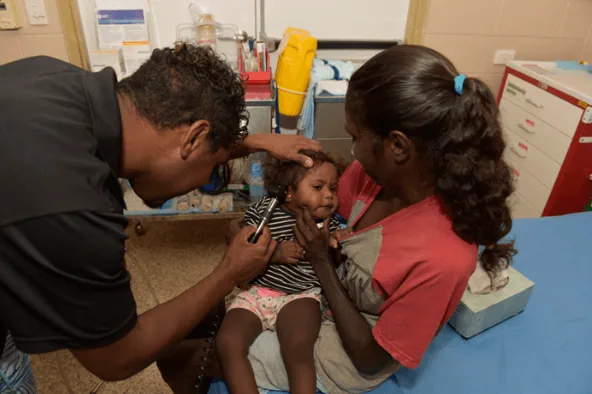
When we were in a remote community, the session ended, the Director-General left for the hospital, and I was beginning to pack up when something unexpected happened.
More community members began to arrive.
They asked if they could speak with the Director-General—not because they missed the first session, but because they didn’t feel safe attending it. Family tensions, community politics, and unspoken dynamics had kept them away.
Within minutes, I was on the phone. The Director-General returned, and we held a second session—same room, same agenda, but a very different energy. This time, the people who hadn’t felt safe to attend, let alone speak, did speak. And we all left with a much fuller understanding of their context.
Good Intentions Aren’t Enough—Safety Matters
We had good intent—but we had underestimated the conditions needed for people to feel safe enough to meet us in that intent.
Engagement is often described as an invitation—but what happens when someone feels there’s no seat for them?
You might have set the table, prepared the food, even sent the invites. But if there’s no chair for someone—because the space doesn’t feel safe, accessible, or relevant—they won’t sit. And they won’t speak.

Our job as leaders isn’t only to run the session. It’s to make space. To notice who’s missing. And sometimes, to run the session again—so more people can find their seat.
As Henry Ford said:
“You can’t build a reputation on what you are going to do.”
Stakeholder Equation for Impact
In stakeholder engagement, your intent is only part of the equation. The other part—often the harder one—is how safe, seen, and significant people feel when they interact with you. If you ignore that, and fail to ask the right questions even the most well-meaning effort can fall short.
I often describe this as the Stakeholder Experience Equation:
Intent ÷ (What Matters to Them + How Safe They Feel) = Actual Impact
You can’t shortcut this. If trust is thin, the denominator is high—and your impact gets diluted.
Imagine trying to pour water into a bottle with a narrow neck. No matter how much you pour, most of it spills unless you slow down, align, and engage carefully.

Max Hardy and Sally Hussey recently co-authored an e-book, “The Underbelly of Engagement: The Unspoken Realities of Community Engagement”—to shine a light on the hidden challenges and vulnerabilities that show up in community engagement.
👉 You can access the e-book here.
Max’s work reminds us that real engagement doesn’t mean following a script.
If you’re facing complex community engagement challenges, Max is someone I trust deeply. We first met when he was working on the Queensland Plan, and he’s stayed a wise and generous thought partner ever since.
Reflection Questions For This Week
This week you may wish to reflect on your engagement efforts and ask:
- Where might I be missing the second audience?
- What assumptions am I making about whose voices feel safe to speak?
- What’s one thing I can do this month to invite deeper engagement? Hint – If you’re stuck for ideas, read Max and Sally’s e-book.
One thing I’ve learned working on complex change is that effective stakeholder engagement delivers leadership that holds when everything shifts.